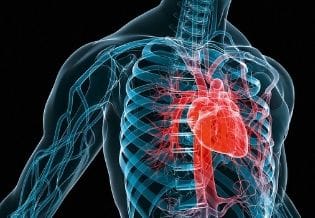
Submit Your Thoracic Biomechanics Research
Join leading biomedical researchers advancing thoracic science through rigorous peer review and open access publication
Two Convenient Submission Methods
We offer flexible submission options designed to accommodate your workflow preferences. Choose the method that works best for your research submission needs.
ManuscriptZone Portal
Our comprehensive manuscript management system provides complete control over your submission from start to publication.
- Auto-save functionality protects your work
- Guided step-by-step submission workflow
- Real-time manuscript status tracking
- Direct access to reviewer comments
- Secure document management
- Revision tracking and version control
Best for: Complete manuscript management, tracking revisions, and maintaining ongoing communication with editors throughout the review process.
Submit via ManuscriptZoneQuick Submission Form
A streamlined submission process for straightforward manuscripts that need fast-track processing without account creation.
- No account registration required
- Simple one-page submission form
- Fast upload and processing
- Immediate confirmation email
- Ideal for time-sensitive submissions
- Seamless transition to portal if needed
Best for: Quick submissions of straightforward research articles, short communications, or when you need immediate manuscript registration.
Use Quick Submission FormThoracic Research We Publish
The International Journal of Thorax specializes in biomedical research focused on thoracic biomechanics, medical device development, biomaterial applications, and physiological systems. We welcome non-clinical research that advances our understanding of thoracic science and engineering.
Our Focus: Biomechanics of thoracic structures, respiratory device engineering, thoracic biomaterials, computational modeling of thoracic systems, tissue engineering for thoracic applications, and physiological measurement technologies.
Original Research Articles
Comprehensive studies on thoracic biomechanics, device development, biomaterial characterization, or physiological modeling.
Biomaterial Studies
Research on novel biomaterials for thoracic applications, including scaffolds, implants, and tissue engineering constructs.
Device Engineering Papers
Development and validation of medical devices for thoracic applications, including respiratory support systems and monitoring technologies.
Computational Modeling
Finite element analysis, computational fluid dynamics, or mathematical modeling of thoracic structures and physiological processes.
Methods & Protocols
Novel experimental techniques, measurement protocols, or analytical methods for thoracic biomechanics research.
Review Articles
Comprehensive systematic reviews or meta-analyses of thoracic biomechanics, biomaterials, or device engineering literature.
Short Communications
Preliminary findings, novel observations, or rapid dissemination of time-sensitive thoracic research discoveries.
Technical Notes
Brief reports on technical innovations, equipment modifications, or methodological improvements in thoracic research.
Pre-Submission Checklist
Ensure your manuscript is complete and properly formatted before submission. This checklist helps streamline the review process and reduces processing time.
- Manuscript File: Word document (.doc/.docx) or LaTeX source files with all sections complete (title, abstract, introduction, methods, results, discussion, conclusions)
- Figures and Tables: High-resolution figures (minimum 300 DPI) in TIFF, EPS, or PNG format; tables formatted in Word or Excel with clear captions
- Author Information: Complete names, affiliations, ORCID IDs, and email addresses for all authors; corresponding author clearly designated
- Abstract and Keywords: Structured abstract (250 words maximum) with 4-6 relevant keywords for indexing in biomedical databases
- References: All citations formatted according to journal style; DOIs included where available; references verified for accuracy
- Ethics Documentation: IRB approval letters for human subjects research; IACUC approval for animal studies; compliance with ARRIVE guidelines
- Competing Interests: Declaration of any financial or non-financial competing interests; funding sources clearly stated
- Data Availability: Statement on data sharing; repository links for datasets, code, or supplementary materials
- Author Contributions: CRediT taxonomy statement detailing each author's specific contributions to the research
- Cover Letter: Brief letter explaining the significance of your thoracic research and why it fits the journal's scope
Peer Review Timeline
We maintain transparent timelines throughout the review process. Our expert reviewers in thoracic biomechanics and biomedical engineering provide thorough, constructive feedback to enhance your research.
Submission & Initial Screening
Your manuscript undergoes completeness check, plagiarism screening (iThenticate), and scope assessment by the editorial team.
3 daysEditor Assignment
An associate editor with expertise in your specific area of thoracic research is assigned to manage the peer review process.
2 daysPeer Review
Minimum two expert reviewers from the thoracic biomechanics and biomedical engineering community evaluate your manuscript for scientific rigor, methodology, and contribution.
21 daysEditorial Decision
Based on reviewer recommendations, you receive a decision: accept, minor revisions, major revisions, or reject with detailed feedback.
28 days totalRevision & Re-review
Submit your revised manuscript with point-by-point response to reviewer comments. Re-review focuses on how you addressed the feedback.
14 daysAcceptance & Production
Accepted manuscripts enter production for copyediting, typesetting, and final proofing before online publication.
10 daysPublication
Your article is published online with immediate open access, DOI assignment, and indexing in major biomedical databases.
~60 days totalWhy Thoracic Researchers Choose Us
We provide a specialized platform for thoracic biomechanics and biomedical engineering research with rigorous peer review, rapid publication, and global visibility through open access.
Specialized Indexing
Your research gains worldwide visibility through indexing in Google Scholar, connecting it with the global scientific community.
Expert Reviewers
Peer review by leading researchers in thoracic biomechanics, biomedical engineering, and respiratory physiology
Fast Decisions
Average 21 days to first decision with transparent timelines and regular status updates throughout review
Open Access Impact
Immediate global visibility with no paywalls; your research reaches clinicians, engineers, and researchers worldwide
Ethical Standards
aligns with COPE best practices. Rigorous plagiarism screening. Transparent peer review. Adherence to radiation safety and patient privacy regulations.
APC Waivers Available
Financial support for researchers from low-income countries and unfunded studies; no researcher excluded for financial reasons
Submission Guidelines Summary
Manuscript Preparation
Prepare your manuscript according to standard biomedical research reporting guidelines. For biomechanics studies, include detailed methodology for mechanical testing, material characterization, or computational modeling. For device engineering papers, provide comprehensive technical specifications and validation data.
Structure Requirements:
- Title: Concise and descriptive (maximum 150 characters)
- Abstract: Structured format with Background, Methods, Results, Conclusions (250 words maximum)
- Keywords: 4-6 terms from Medical Subject Headings (MeSH) or relevant biomedical terminology
- Introduction: Clear research question, hypothesis, and significance to thoracic science
- Methods: Detailed protocols enabling reproducibility; statistical methods clearly described
- Results: Objective presentation with appropriate figures and tables
- Discussion: Interpretation in context of existing thoracic research literature
- Conclusions: Clear statement of findings and implications for thoracic biomechanics
Figures and Tables
High-quality figures are essential for biomechanics and engineering research. Submit figures at publication quality (minimum 300 DPI) in TIFF, EPS, or high-resolution PNG format. For computational modeling studies, include mesh convergence data and validation plots. For experimental work, provide representative images with scale bars and clear labeling.
Supplementary Materials
We encourage submission of supplementary data including raw datasets, computational code, detailed protocols, additional figures, and video demonstrations of experimental techniques or device functionality. Supplementary materials undergo peer review and are published alongside your article.
Ethics and Compliance
For studies involving human subjects or human-derived materials, provide IRB approval documentation. For animal studies, demonstrate compliance with ARRIVE guidelines and IACUC approval. For biomaterial studies using biological samples, confirm ethical sourcing and appropriate consent procedures.
After Submission: What to Expect
Immediate Confirmation
You will receive an automated confirmation email within minutes of submission, including your manuscript tracking number. This number allows you to monitor your submission status through the ManuscriptZone portal.
Editorial Screening
Within 3 days, the editorial team conducts initial screening for scope alignment, completeness, and plagiarism check. Manuscripts with similarity index above 30% are returned for revision. Papers outside our scope receive prompt notification with suggestions for more appropriate journals.
Peer Review Process
Your manuscript is assigned to an associate editor specializing in your research area. The editor selects minimum two expert reviewers from our international panel of thoracic biomechanics researchers. Reviewers evaluate scientific rigor, methodology appropriateness, data quality, and contribution to the field.
Decision and Revision
You receive a detailed decision letter with reviewer comments, typically within 28 days. For manuscripts requiring revision, we provide clear guidance on addressing reviewer concerns. Revised manuscripts undergo expedited re-review focusing on how you addressed the feedback.
Publication
Accepted manuscripts enter production immediately. You receive proofs for final approval before online publication. Your article is published with DOI assignment, immediate open access, and automatic submission to indexing databases including and .
Ready to Submit Your Thoracic Research?
Join the growing community of thoracic biomechanics researchers publishing with International Journal of Thorax. Our expert editorial team is here to support you throughout the submission and review process.
Submit Your Manuscript NowNeed assistance with your submission? Contact our editorial support team at [email protected]